Why Are You Still Juggling Files Across Devices When One App Can Keep Everything in Sync?
How many times have you searched for a document, only to find three different versions across your phone, laptop, and work computer? You’re not alone. We’ve all felt that frustration—losing time, energy, and peace of mind just trying to stay organized. What if your files could move seamlessly with you, like a quiet helper always one step ahead? This isn’t about mastering complex tech; it’s about making your daily life smoother, calmer, and more in control—one small sync at a time.
The Morning Chaos: When Simple Tasks Feel Overwhelming
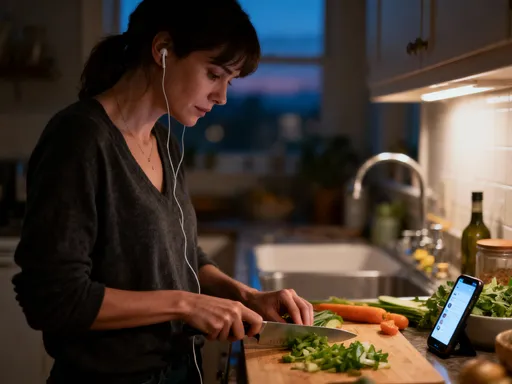
Picture this: it’s 7:15 a.m., the kids are arguing over cereal, your phone is buzzing with a last-minute meeting reminder, and you suddenly remember—did you print the school field trip form? You open your laptop, heart racing. The file is there, but it’s from last week. Did you update it on your tablet yesterday? You grab it, only to realize the version there says “DRAFT” in red. And your work presentation—was the final version saved on the desktop at the office?
This isn’t just about missing files. It’s about that sinking feeling in your chest when you realize you’re behind, unprepared, and scrambling. The mental load of tracking where everything lives—photos on one device, notes on another, spreadsheets buried in email attachments—adds up in ways we don’t always notice. It’s the extra sigh when you can’t find your grocery list. It’s the guilt when you forget to send the birthday party invite because it was stuck in a draft on your work laptop. It’s the frustration when your partner asks, “Didn’t you send that recipe?” and you have to admit, “I thought I did… but maybe on my phone?”
These small moments chip away at our sense of control. We start to feel like we’re barely holding it together, even when everything on the surface looks fine. The truth is, digital disorganization isn’t just an inconvenience—it’s a constant, low-grade stressor. It steals our focus, drains our energy, and makes us feel less capable than we really are. And the worst part? We often blame ourselves. “I should be more organized,” we think. “If I just tried harder.” But what if the problem isn’t you? What if it’s the way your devices are set up—or rather, not set up—to work together?
Discovering the First Glimmer of Relief
I remember the exact moment everything started to shift. It wasn’t dramatic. No flashing lights, no tech guru showing up at my door. It was a Tuesday afternoon, and my sister was over for coffee. She reached into her bag, pulled out her phone, and showed me a photo of her daughter’s science fair project. “I just took this this morning,” she said. “And look—here it is on my laptop, already backed up.”
I stared at the screen. “Wait, how did it get there?”
She smiled. “Oh, I use a file sync app. Everything I save on one device shows up on the others. It’s kind of magic.”
I rolled my eyes—of course she’d say that. She’s always been the tech-savvy one. But later that night, while searching for a recipe on my phone, I paused. What if…? I typed “file sync app” into the search bar and found one that came highly recommended. The description said it worked across phones, tablets, and computers. “Keep your files in sync, everywhere.”
I downloaded it, skeptical. Another app? Another password to remember? Another thing to set up and probably abandon in a week? But I was tired—tired of losing files, tired of feeling behind, tired of the mental clutter. So I gave it a try. The setup was simpler than I expected. I created an account, let it scan my photos and documents, and told it which folders I wanted to sync. That night, I saved a note titled “Grocery List – Friday Dinner” on my phone. The next morning, I opened my laptop to check email—and there it was, on the desktop, already waiting for me.
I didn’t jump for joy. I didn’t call my sister. But something inside me relaxed. It was such a small thing, but it felt like a win. For the first time in years, I didn’t have to ask, “Where is it?” I just knew. And that tiny moment of certainty? It was the first crack in the wall of chaos.
Learning One Step at a Time: No Tech Expertise Needed
Let me tell you something important: you don’t need to be a tech expert to make this work. In fact, the more I learned, the more I realized I didn’t need to learn much at all. This wasn’t about understanding cloud storage or data encryption or any of those terms that make your eyes glaze over. It was about doing the things you already do—just doing them in a way that actually sticks.
I started small. I picked one folder on my laptop—“Family Photos”—and told the app to sync it. Then I took a picture of my dog on my phone. Within seconds, it appeared in that same folder on my computer. I didn’t have to email it to myself. I didn’t have to plug in a cable. It just… happened. The first time I saw it, I actually laughed out loud. “No way,” I whispered. But it was real.
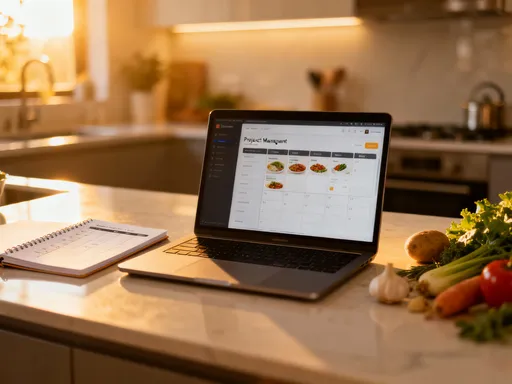
Then I tried something bigger. I created a shared folder called “Home.” Inside, I put a few things: a list of Wi-Fi passwords (finally!), a scanned copy of the homeowner’s manual, and a family calendar. I invited my husband to join. At first, he was suspicious. “What, now you’re going to monitor what I save?” he joked. But then he added a note: “HVAC filter change – next month.” I saw it on my phone that evening. No text, no reminder, no nagging. Just… there.
That’s when it hit me: this wasn’t about control. It was about connection. It wasn’t about being perfect. It was about being in sync—literally and emotionally. I didn’t have to remember everything. I didn’t have to be the family’s memory keeper. We could share the load. And the best part? The app didn’t care how many kids were screaming in the background or how little sleep I’d had. It just worked, quietly and consistently, like a good friend who shows up without being asked.
When Coordination Becomes Second Nature
After a few weeks, something surprising happened: I stopped thinking about the app. Not because I stopped using it, but because it became invisible. It was no longer a “tool” I had to remember to use. It was just how things worked now. When I added an event to the family calendar on my phone, my husband saw it on his tablet. When he saved a receipt for the new lawnmower, I found it in our shared folder without asking. When my daughter needed her vaccination records for camp, I pulled them up on my phone—no digging through email, no calling the doctor’s office.
The shift wasn’t just practical. It was emotional. I felt lighter. Less burdened. There were fewer “I told you that!” moments. Fewer misunderstandings. Less stress about who was supposed to do what. The app didn’t fix our communication—but it removed the friction that so often turned small oversights into big arguments. We weren’t fighting about forgotten deadlines or lost documents. We were just… living.
At work, it was the same. I used to carry my laptop everywhere, terrified that I’d need to make a last-minute edit and wouldn’t have the right file. Now, I leave it at home and pull up the latest draft on my phone during my daughter’s dance class. I make changes, and they’re there when I get back. No panic. No scrambling. Just flow.
That’s the real magic of seamless sync: it doesn’t just save time. It saves peace. It gives you space to breathe, to think, to be present. You stop chasing your tail and start moving forward. And the more it works, the more you trust it—and yourself. You realize you’re not disorganized. You were just using tools that didn’t work for your life. Now, for the first time, you have a system that does.
The Ripple Effect: Calmer Mind, Clearer Priorities
Here’s what no one tells you about getting your digital life in order: it changes how you feel. Not just about files, but about everything. When you’re not constantly worried about where things are, your mind quiets down. You stop rehearsing to-do lists in the shower. You stop waking up at 2 a.m. wondering if you sent that email. You start noticing the small things—the way your son smiles when he talks about his new hobby, the way your favorite tea tastes in the morning, the quiet hum of the house after everyone’s gone to bed.
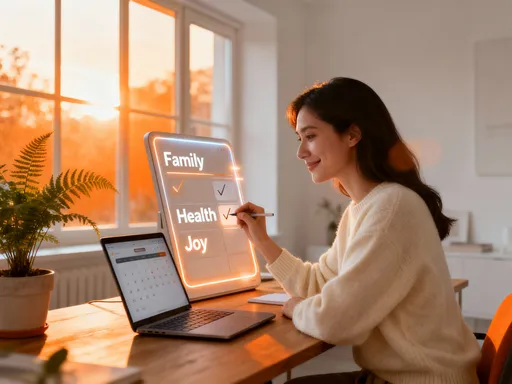
That mental space is priceless. And it’s not just about relaxation. It’s about clarity. When the noise fades, you can hear your own thoughts. You start making better decisions. You say no to things that don’t matter because you finally see what does. You have more patience. More energy. More joy.
I noticed it in my relationships. I was less irritable. I listened more. I stopped using “I forgot” as an excuse. And my family noticed too. “You seem… calmer,” my husband said one night. “Like you’re actually here.”
That comment hit me hard. Because I realized—he was right. I had been half-present for years, mentally elsewhere, chasing digital ghosts. Now, I was here. Not because I’d meditated more or taken a vacation, but because I wasn’t wasting my mental energy on things that shouldn’t matter. The app didn’t give me more hours in the day. But it gave me more of myself.
Sharing the Quiet Revolution
The beauty of this kind of tech is that it doesn’t just help you—it helps everyone around you. I started sharing folders with my sister for our parents’ care. We keep medical records, insurance info, and a shared calendar for doctor visits. No more calling each other in a panic because someone forgot an appointment. No more printing out forms “just in case.” It’s not glamorous, but it’s life-changing.
At my book club, we created a shared space for meeting notes, reading schedules, and recipe ideas. One of the women, who’d always said, “I’m not good with technology,” now sends us photos of her latest baking experiment every week. “I just snap it and it’s there,” she said proudly. “I feel like I’m finally part of the group.”
And with my daughter, we started a digital scrapbook. Photos, school projects, concert tickets—all saved in one place, growing over time. She loves adding to it. “This is our story,” she said once, scrolling through the images. And she was right. The app wasn’t just storing files. It was preserving moments. It was helping us stay connected, not just to our data, but to each other.
That’s the quiet revolution. It’s not about flashy gadgets or futuristic promises. It’s about using simple tools to build a life that feels more manageable, more meaningful, more yours. It’s about turning technology from a source of stress into a source of support.
Embracing the Simplicity: Why Less Effort Feels Like More Life
Looking back, I realize how much time and energy I wasted before I found this simple solution. I thought being organized meant color-coded folders and perfect labels and remembering every detail. But real organization isn’t about perfection. It’s about peace. It’s about creating systems that work for you, not against you.
The best technology doesn’t shout. It whispers. It doesn’t demand your attention—it gives you back your time, your focus, your calm. It doesn’t make you smarter or faster. It just removes the obstacles so you can be who you already are, without the friction.
You don’t need to master every feature. You don’t need to understand how it works under the hood. You just need to start—small, simple, and kind to yourself. Save one folder. Sync one list. Share one photo. Let the app do the heavy lifting while you focus on what matters: your family, your work, your dreams, your life.
Because here’s the truth: you’re not behind. You’re not failing. You’ve just been using tools that weren’t built for the beautiful, messy, full life you’re living. And now, there’s a better way. One that doesn’t ask you to do more—but to feel more. To be more present. To breathe easier.
So if you’re still juggling files, still searching, still stressed—know this: it doesn’t have to be this hard. One app. One small step. That’s all it takes to start syncing not just your files, but your life. And when everything finally lines up, you’ll wonder how you ever lived without it.