What If the Reviews You Trust Are Putting You at Risk?
Have you ever bought something online because the reviews looked perfect—only to realize later it was a scam? You’re not alone. Fake reviews are everywhere, quietly shaping our choices and sometimes even compromising our safety. We’ve all been there—searching for a new kitchen gadget, a baby monitor, or a smart home device, scrolling through pages of glowing feedback, reassured by rows of five stars and phrases like “best purchase ever!” It feels safe. It feels smart. But what if that comfort is being manufactured? What if the voices you trust aren’t real people at all, but bots, paid writers, or even competitors trying to mislead you? In this article, we’ll explore how the product reviews you rely on might be hiding more than you think—and what you can do to stay protected without giving up the convenience you love.
The Morning Click: How We Start Trusting Too Easily
Picture this: it’s 7:15 a.m., the kids are getting ready for school, and you’re sipping coffee while scrolling through your phone. You need a new blender—one that won’t break after two smoothies. You find one with 4.8 stars, hundreds of reviews, and dozens of photos showing it crushing ice and frozen fruit. One reviewer says, “I’ve had mine for over a year and it still works like new!” Another writes, “Perfect for busy moms—easy to clean and super quiet.” You feel a little rush of relief. This one’s clearly the winner. You click “Add to Cart” and move on with your day.
That moment—so familiar, so routine—is exactly where the problem begins. We don’t just read reviews; we outsource our trust to them. They’ve become a shortcut, a way to make decisions without doing the hard work of research. And honestly, who has time for that? Between school runs, meal prep, and work, we need tools that save us time, not add to our load. But here’s the truth: that trust is being exploited. The emotional comfort of “everyone else loves it” is powerful—so powerful that bad actors have learned how to fake it. And when we’re tired, busy, or just looking for a win, we’re most vulnerable to that illusion of consensus.
I remember buying a “top-rated” USB charger for my husband’s work laptop. The reviews said it was fast, reliable, and safe for all devices. One even mentioned, “No overheating, even after hours of use.” I felt good about the purchase—until two weeks later, when the charger started smoking during a video call. I unplugged it fast, but the scare stayed with me. What if I hadn’t been there? What if it had sparked a fire? That’s when I realized: trusting reviews isn’t just about getting a good product. It’s about safety. It’s about peace of mind. And too often, we’re not getting either.
Behind the Stars: The Hidden Flaws in Review Systems
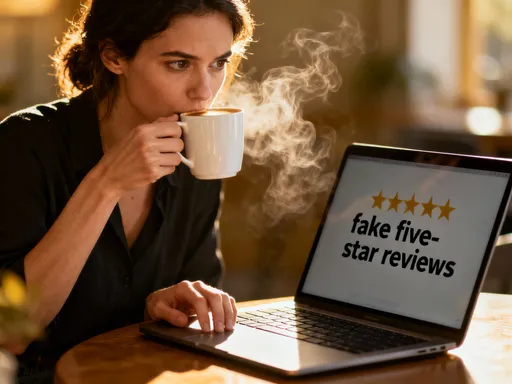
So how do fake reviews even happen? It sounds like something out of a spy movie, but the reality is much more ordinary—and way more widespread. Many five-star reviews aren’t written by real customers. They’re created by bots, generated by software that spits out hundreds of positive comments in minutes. Others come from “review farms,” where people are paid just a few dollars to write glowing feedback for products they’ve never even touched. Some sellers even hire competitors to post negative reviews on rival products, dragging down their ratings.
And here’s the kicker: even the tools we think protect us aren’t as strong as we assume. You’ve probably seen the “Verified Purchase” tag on Amazon or other sites. It sounds trustworthy, right? But that only means someone bought the item through the platform—it doesn’t guarantee they actually used it or wrote the review themselves. Sellers can send free products to friends or third parties and still get that tag. Even worse, some platforms allow reviews to go up instantly, with little to no moderation. By the time a fake review is caught, hundreds of people may have already bought the product.
AI is helping, but it’s playing catch-up. Platforms like Amazon, Walmart, and Best Buy use algorithms to detect suspicious patterns—like a sudden flood of five-star reviews in a short time, or multiple reviews using the same phrases. But the bad actors are smart. They spread fake reviews over time, use different writing styles, and even mix in a few negative ones to look more authentic. It’s like a digital game of whack-a-mole, and the moles are getting faster.
One study found that up to 30% of online reviews on some platforms could be fake. That’s not a small glitch—it’s a systemic flaw. And while companies are investing in better detection, the truth is, no system is perfect. That means the responsibility can’t fall only on the platforms. It has to fall on us, too. Not because we’re to blame, but because we’re the ones living with the consequences—whether it’s a broken blender, a hacked smart device, or a scary moment with a faulty charger.
When a “Great Deal” Becomes a Security Nightmare
Let’s talk about something most of us don’t think about when we’re shopping: security. Not the kind with locks and alarms, but the invisible kind—data, privacy, and the devices connected to your home network. Imagine buying a “best-selling” smart plug because the reviews say it’s easy to set up and works with Alexa. You plug it in, connect it to your Wi-Fi, and start using it to turn on your coffee maker in the morning. Feels modern, feels convenient. But what if that little device is secretly sending data to a server in another country?
That’s not a made-up story. In 2022, a popular brand of smart plugs—many with thousands of five-star reviews—was found to be collecting users’ Wi-Fi passwords and transmitting them to unsecured servers. The devices looked safe, worked well, and had glowing feedback. But behind the scenes, they were a privacy risk. And the people who bought them? They had no idea. They trusted the reviews. They trusted the rating. They didn’t know they were inviting a digital stranger into their home network.
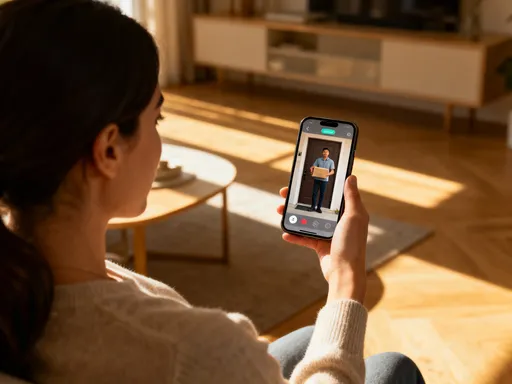
Or take the case of a “top-rated” wireless security camera. Reviews praised its clarity, night vision, and easy app setup. One said, “I feel safer knowing I can check on my home anytime.” But later, researchers discovered the camera’s app had a major security flaw—anyone could access the live feed with just the device ID. No password needed. That meant strangers could watch inside people’s homes. And guess how most buyers found that camera? Through highly rated reviews on a major shopping site.
These aren’t rare edge cases. They’re becoming more common. Low-quality electronics with fake reviews often skip basic safety and security testing. They’re made cheaply, sold quickly, and disappear from the market before anyone can hold the seller accountable. And because the reviews look trustworthy, we let our guard down. We don’t ask, “Who made this?” or “Is this really safe?” We see the stars, read a few nice comments, and move on. But the cost of that convenience can be much higher than the price tag.
The Emotional Cost of Fake Reviews
Most articles about fake reviews focus on money—how much we lose when we buy a bad product. But there’s another cost, one that’s harder to measure but just as real: the emotional toll. Think about how you feel when you realize you’ve been misled. It’s not just frustration. It’s betrayal. You trusted the system. You followed the rules—read the reviews, checked the ratings, looked for “verified” tags. And still, you got burned.
That moment stays with you. The next time you’re shopping, you hesitate. You second-guess yourself. You wonder, “Is this one real? Or is it another scam?” That hesitation isn’t just annoying—it chips away at your confidence. Online shopping was supposed to make life easier, not add stress. But when you can’t trust the information you rely on, every purchase starts to feel like a gamble.
And it’s not just about the item. It’s about the time lost, the energy spent, the extra steps to return something or complain to customer service. As a mom, I don’t just care about whether a product works—I care about whether it fits into my life without adding chaos. When a gadget fails, it’s not just a broken device. It’s a broken promise. It’s one more thing on my to-do list. It’s the voice in my head saying, “I should’ve known better.”
Over time, that wears you down. You start to feel like the system is rigged, like everyone’s out to trick you. You might even stop buying things you actually need, just to avoid the risk. That’s not freedom—that’s fear. And no one should have to shop that way. We deserve better. We deserve tools that work, information we can trust, and the peace of mind that comes from knowing we’re making smart choices.
Reading Between the Lines: Smarter Ways to Use Reviews
So what can we do? Stop reading reviews? That’s not the answer. Reviews are still valuable—when used wisely. The key is learning how to read them like a detective, not a believer. Think of it like choosing a school for your child. You wouldn’t just go by the brochure. You’d talk to other parents, visit the classrooms, watch how the teachers interact with kids. You’d look for the real story, not just the polished version. Reviews should be the same.
Start by looking at the pattern, not just the rating. A product with 4.8 stars sounds great—unless 80% of the reviews are brand new and all say the same thing. Watch for phrases like “amazing quality” or “works perfectly” with no details. Real people mention specific experiences: “I spilled juice on it and it still charged my phone,” or “The app froze twice in two weeks.” Those details matter.
Also, don’t ignore the one-star reviews—especially the ones that aren’t angry rants. Look for thoughtful critiques: “Battery died after three days,” or “Couldn’t connect to my network, even after resetting.” Those often reveal real problems. And if multiple people mention the same issue—like a charger overheating or a camera disconnecting—it’s probably not a fluke.
Check the reviewer’s history, too. Click on a few usernames. If someone has only reviewed one product—and it’s five stars—it’s a red flag. Real reviewers tend to have a mix of ratings and comments over time. Also, watch for reviews with photos. Real photos—even blurry ones—add credibility. But if every image looks like a professional ad, that’s suspicious.
And here’s a trick I use: I wait. If a product is brand new and already has hundreds of five-star reviews, that’s a warning sign. Real word-of-mouth takes time. I give it a few weeks, then check again. The early adopters will have posted their honest feedback by then. That little pause has saved me from more than one dud.
Platforms Are Trying—But You Need to Do More
It’s fair to say that big platforms aren’t doing nothing. Amazon has banned millions of fake reviews. Google has improved its AI detection. Best Buy and Walmart are tightening their review policies. These efforts help—sometimes. But they’re not enough. Why? Because the scale is too big. Millions of products, thousands of new reviews every hour. Even the best AI can’t catch every fake, especially when the fakes are designed to look real.
And let’s be honest: some of the “solutions” are more for show than substance. A “verified review” badge sounds official, but it doesn’t mean the review is honest. A “top reviewer” badge can be gamed. Even review moderation can be slow—by the time a fake is removed, the damage is done.
That doesn’t mean we should give up on platforms. They’re part of the solution. But they can’t be the whole solution. We need to be active, not passive, consumers. That means asking questions, looking deeper, and not letting a five-star rating do our thinking for us. It’s like locking your front door. Just because the neighborhood seems safe doesn’t mean you leave it unlocked. The same goes for online shopping. Trust is good. Vigilance is better.
Taking Back Control: Building Your Own Review Filter
The best protection isn’t a tool or an app—it’s a habit. And the good news? You can build it in just a few simple steps. Think of it as creating your own personal review filter. It’s not about being suspicious. It’s about being smart.
First, cross-reference. Don’t rely on just one site. Check the same product on Amazon, Target, Best Buy, or even YouTube. Real trends show up across platforms. If everyone on multiple sites is saying the same thing—good or bad—it’s more likely to be true.
Second, look for consistency. Real products have real flaws. If every review is perfect, that’s a red flag. If most people agree on the pros and cons—like “great sound but short battery life”—that’s a sign of honesty.
Third, trust your gut. If something feels too good to be true—a $20 smart speaker with “studio-quality sound” and 5,000 five-star reviews in two weeks—walk away. Real innovation takes time. Real quality builds a reputation slowly.
And finally, talk to real people. Ask friends, join parent groups, check community forums. Nothing beats firsthand experience. I once avoided a “best-selling” air purifier because three moms in my neighborhood group said it was loud and didn’t work well. Their advice saved me $150 and a return hassle.
These habits take a little more time, yes. But they save you more in the long run—money, stress, and the peace of mind that comes from knowing you made a smart choice. You’re not just a shopper. You’re a protector of your home, your family, your time. And you deserve tools that help you do that well.
Trust Smarter, Not Less
Here’s the truth: we’re not going to stop shopping online. It’s too convenient, too useful, too woven into our lives. And reviews? They’re still one of the best tools we have. The problem isn’t the system—it’s how we use it. We’ve been taught to trust the stars, but we need to learn to see beyond them.
Protecting yourself doesn’t mean becoming cynical. It means becoming confident. It means knowing that you have the power to spot the fakes, ask the right questions, and make choices that truly serve your life. You don’t have to be a tech expert. You just have to be aware. You don’t have to read every review. You just have to read them with a little more care.
Every time you pause, look deeper, or ask a friend for advice, you’re taking back control. You’re saying, “I matter. My time matters. My safety matters.” And that’s the real win—not just avoiding a bad product, but building a life where you feel informed, capable, and in charge.
So go ahead and keep shopping. Keep reading reviews. Just do it with your eyes open. Because the goal isn’t to distrust the internet. It’s to navigate it with confidence, clarity, and the quiet assurance that you’ve got this. And you do.