From Chaos to Calm: How a Project Management Tool Transformed My Daily Routine
Have you ever felt overwhelmed by meal planning, grocery lists, and tracking what you eat—while also juggling work, family, and personal goals? I was stuck in that cycle too—until I discovered an unexpected solution. It wasn’t another diet app. It was a simple project management platform that helped me organize my meals, habits, and health like a well-run team project. What changed wasn’t just my diet—it was my entire approach to daily life. Suddenly, I wasn’t reacting to chaos. I was planning ahead, staying on track, and actually enjoying the process. And the best part? You don’t need to be tech-savvy to make it work. If you can manage a to-do list, you can do this.
The Breaking Point: When Diet Goals Collide with Real Life
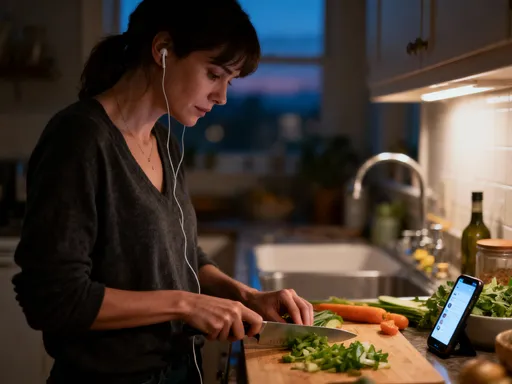
I remember standing in front of the open fridge at 8 p.m., one hand on my hip, the other holding a half-empty yogurt cup I’d already forgotten about. My kids were asking, “What’s for dinner?” My partner was wrapping up a work call, and I had nothing planned. Again. I wasn’t lazy. I wasn’t careless. I was just drowning in the daily whirlwind of responsibilities. Sound familiar? We start the week with the best intentions—maybe a colorful meal plan stuck to the fridge, a new smoothie recipe saved on our phone, a promise to drink more water. But by Wednesday, life happens. A meeting runs late. The kids have soccer practice. Someone’s sick. And suddenly, that healthy dinner becomes a drive-thru bag eaten in silence over the kitchen sink. I used to think I just needed more willpower. But the truth is, willpower isn’t the problem. Structure is. We use tools at work to manage deadlines, collaborate with teams, and track progress. Why wouldn’t we use the same kind of support for our health? I realized I wasn’t failing because I lacked discipline. I was failing because I was trying to do everything in my head. And no one can keep up with that forever.
Here’s what I learned: when we treat personal goals like diet and wellness as side projects—things we squeeze in when we have time—they never get the attention they deserve. But when we give them a real place in our schedule, with real tools and real planning, they stop being chores and start becoming part of our rhythm. That shift in mindset was everything. Instead of asking, “Do I have time for this?” I started asking, “How can I make time for this?” And that’s when everything changed.
A Work Tool That Changed My Personal Life
About a year ago, I was leading a big project at work. We were launching a new client campaign, and it was hectic—tight deadlines, multiple team members, lots of moving parts. To keep everything on track, we used a popular project management platform. You know the kind: tasks, due dates, progress bars, shared checklists. It was a lifesaver. One evening, after logging off from work, I caught myself staring at a blank meal planner on my kitchen counter. I thought, “Why can’t I use that same tool for dinner?” It sounded silly at first. But the more I thought about it, the more it made sense. These platforms aren’t just for work. They’re designed to help people organize, plan, and follow through—exactly what I needed at home.
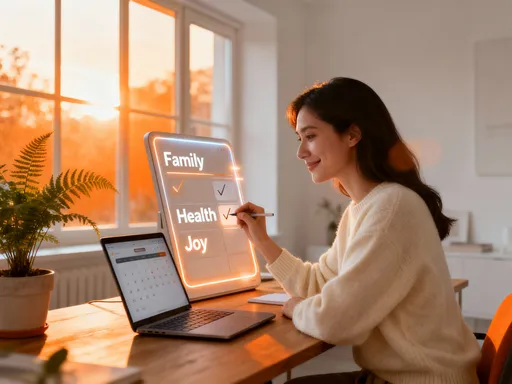
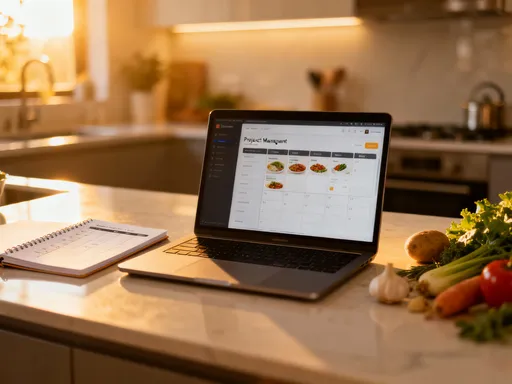
So I created a personal project called “Healthy Living 2024.” I set weekly goals: eat five servings of vegetables, drink eight glasses of water a day, cook at home five nights a week. Then I broke those down into smaller tasks. “Buy fresh produce” became a to-do. “Prep chopped veggies Sunday night” turned into a scheduled task. I even added reminders for things like “Pack lunch the night before” and “Drink a glass of water first thing in the morning.” Suddenly, my health goals weren’t abstract wishes. They were real, visible, and actionable. The best part? I could track progress. Every time I checked off a task, I felt a little win. And those little wins added up. Within a few weeks, I wasn’t just eating better—I was feeling more in control. I wasn’t managing my meals. I was managing my life.
Turning Meal Planning into a Collaborative Project
One of the biggest challenges I faced wasn’t cooking—it was getting everyone on the same page. My husband loves hearty, meat-based meals. My teenage daughter lives on toast and fruit. My son refuses anything green unless it’s in a smoothie. Trying to plan meals that worked for all of us felt like negotiating a peace treaty. And honestly, I was tired of being the only one thinking about dinner. That’s when I realized: this shouldn’t be my job alone. It should be a family effort. So I invited everyone to join the project. I created a shared board with our weekly menu, and we all added our preferences. My daughter suggested “Taco Tuesday.” My husband put in a request for grilled salmon on Fridays. My son asked for “cheese night” (yes, that’s a real thing in our house).
We didn’t just plan meals—we assigned roles. One person was in charge of the grocery list. Another handled meal prep timing. I used color-coded labels so everyone could see their responsibilities at a glance. The visual timeline made it easy to spot gaps or overlaps. If I saw that two people had late practices on Wednesday, I could plan a slow-cooker meal that would be ready when we got home. No more last-minute panic. No more takeout guilt. What used to be a source of stress became a fun, shared routine. My kids started asking, “What’s on the board this week?” instead of “Are we getting pizza?” And honestly? That felt like a win.
Tracking Habits Like Milestones, Not Burdens
Let’s be honest—tracking food can feel like a chore. Logging every bite, counting calories, weighing portions. It’s exhausting. And for me, it always ended the same way: I’d start strong, feel guilty when I “slipped up,” and quit within a week. But when I started using the project management tool, I stopped thinking of tracking as judgment. Instead, I saw it as progress. I set small, realistic goals: “Add veggies to lunch three times this week,” “Drink an extra glass of water each day,” “Skip sugary snacks after 7 p.m.” Each one became a task on my board. And every time I completed it, I checked it off. That little click—the sound of the checkbox filling in—felt satisfying. It wasn’t about perfection. It was about consistency.
The platform’s reminder system helped too. I set daily alerts for things like “Time to drink water” or “Don’t forget your afternoon walk.” At first, I ignored them. But over time, they became part of my routine. I didn’t feel nagged. I felt supported. And because the tool didn’t judge me—if I missed a day, I just moved on—there was no guilt. I could reset and keep going. That changed everything. Instead of giving up after one bad day, I learned to keep going. And the more I checked off, the more motivated I felt. It wasn’t about losing weight or fitting into a certain size. It was about feeling better, having more energy, and knowing I was taking care of myself.
Integrating Health Into a Busy Schedule
Time is the number one excuse we all use. “I’d eat better, but I don’t have time.” “I’d exercise, but my schedule is too full.” I get it. I’ve said it myself. But here’s what I’ve learned: if you don’t schedule it, it won’t happen. So I started treating self-care like a non-negotiable meeting. I used the calendar view in the platform to block time for meal prep on Sunday afternoons. I scheduled 20-minute walks after dinner like they were work calls. I even added “mindful eating” as a recurring event during lunch. At first, it felt strange. Was I really putting “eat lunch slowly” on my work-style calendar? But the more I did it, the more it normalized. Seeing those blocks of time right next to my work tasks made self-care feel legitimate. It wasn’t selfish. It was necessary.
This simple change had a ripple effect. Because I had time blocked for prep, I wasn’t scrambling during the week. Because I had walks scheduled, I was more likely to actually take them. And because I was eating without distractions, I noticed when I was full—and I enjoyed my food more. My energy levels improved. I wasn’t crashing by 3 p.m. I wasn’t reaching for snacks out of boredom. I was making choices with intention. And that made all the difference. The tool didn’t give me more hours in the day. But it helped me use the hours I had more wisely.
Beyond Diet: A System for Whole-Life Organization
Once I got comfortable using the platform for meals and habits, I started expanding it. Why stop at dinner? I created sections for fitness goals, hydration, sleep, and even mood tracking. Every night, I’d spend two minutes logging how I slept and how I felt. Not in a clinical way—just a quick note: “Felt rested,” “Stressed about work,” “Great workout today.” Over time, I started seeing patterns. I noticed I slept better when I didn’t eat late. I had more energy when I walked in the morning. My mood improved when I drank enough water. These weren’t groundbreaking discoveries, but having them visible on my dashboard made them real.
I also added family routines—laundry schedules, school permission slips, even birthday reminders. What started as a health tool became a full personal management system. The same platform that helped me deliver work projects on time now helped me show up as a better mom, partner, and friend. I wasn’t juggling everything in my head anymore. I had a system. And that system gave me space—mental space, emotional space, even time—to breathe. I wasn’t perfect. Some weeks were messy. But I wasn’t starting from zero every Monday. I had a foundation. And that made it easier to keep going.
Why This Works When Other Apps Fail
Let’s talk about why this approach is different from most diet or wellness apps. So many of them focus on restriction—counting calories, tracking every gram of sugar, giving you a score at the end of the day. It feels like a report card, and most of us don’t want to be graded on our eating. That’s why those apps often end up deleted after a few weeks. But this isn’t about restriction. It’s about support. A project management platform doesn’t tell you what to eat. It helps you plan, organize, and follow through. It doesn’t shame you for skipping a day. It just lets you pick up where you left off.
It’s also flexible. If your schedule changes, you can adjust your tasks. If your goals evolve, you can update them. It grows with you. And because it’s collaborative, it works for families, couples, or even just you and a friend who’s also trying to eat better. You can share boards, comment on tasks, celebrate wins together. It turns personal growth into a shared journey. Plus, it’s already a tool many of us use at work, so there’s no steep learning curve. You don’t need to download another app or learn a new interface. You just use what you already know—differently.
Final Thoughts: Small Shifts, Lasting Change
Looking back, I realize I didn’t need a miracle diet or a 30-day cleanse to feel better. I just needed a better system. By treating my health like a personal project—something worth planning, supporting, and showing up for—I found a way to make real, lasting change. It wasn’t about being perfect. It was about being consistent. It wasn’t about willpower. It was about wisdom—using the right tool in the right way. And the most beautiful part? It didn’t take over my life. It made my life easier.
If you’re feeling stuck, overwhelmed, or just tired of starting over every Monday, I want you to try this. Pick a project management platform you already use or one that’s free and simple to set up. Create a personal project for your health. Add one goal. Then another. Invite your family. Schedule one meal prep block. Check off one task. Celebrate that win. Because small shifts lead to big changes. You don’t have to do it all at once. You just have to start. And once you do, you might find—like I did—that the tool you’ve been using for work can also help you live a calmer, healthier, more intentional life. After all, you’re not just managing tasks. You’re building a life you love—one checkmark at a time.