Tired of Worrying About Your Parents’ Health From Afar? Simple Tech That Keeps Them Safe and You in the Loop
Staring at a blank phone screen, wondering if Mom took her pills today. Feeling helpless when Dad mentions a new ache during your weekly call. Distance shouldn’t mean disconnection—especially when it comes to family health. What if you could gently stay informed, not intrusive, and offer support before small issues become emergencies? This isn’t about high-tech overload. It’s about using simple, everyday tools to care across miles—calmly, quietly, and consistently. Let’s explore how small steps with smart tools can bring peace of mind to both you and your loved ones.
The Quiet Worry No One Talks About
It starts quietly. A missed call. A voice that sounds just a little slower than usual. A vague comment about not sleeping well. For many of us with aging parents who live far away, there’s a low hum of worry that never really goes away. We love them deeply, we want to help, but we’re not there. And that distance can feel like a wall when it comes to their health.
I remember the first time I felt it—really felt it. My mom had a fall, nothing serious, but she didn’t tell me for three days. “I didn’t want to worry you,” she said. But I *was* worried. I just didn’t know what to worry *about*. That moment changed everything. It wasn’t that I wanted to helicopter into her life or take over. I just wanted to know she was okay. I wanted to be able to help *before* things got worse, not after.
You’re not alone if this sounds familiar. Millions of adult children carry this quiet anxiety. We’re busy with our own lives—work, kids, schedules—but our hearts are still tethered to our parents. And the fear isn’t always about a major illness. It’s the small things: Did she eat today? Is she taking her medicine? Has she left the house at all this week? These are the questions that keep us up at night, and they’re the ones that technology, used wisely, can gently answer.
The truth is, we don’t need to choose between respecting their independence and staying informed. We can do both. And we don’t need futuristic gadgets or complicated systems. What we need are simple, human-centered tools that fit into real life. Tools that don’t feel like surveillance, but like care. That’s what this is about—not replacing phone calls or love, but supporting them.
Start with What You Already Have: Smartphones as Lifelines
Let’s start with what’s already in your hand—and probably in theirs. Smartphones. Most parents over 60 now own one, even if they don’t use all the features. And that’s okay. You don’t need them to be tech experts. You just need them to use a few simple things, and you can help them set it up during your next visit or even over a video call.
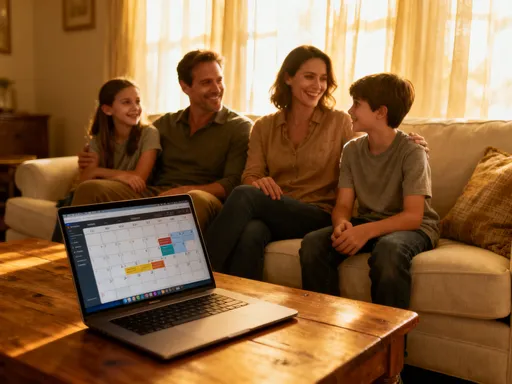
Take shared calendars. I helped my mom move her doctor’s appointments, grocery trips, and even her weekly coffee with friends onto a shared Google Calendar. Now, if I notice an appointment is coming up, I can send a quick text: “Good luck at the eye doctor today!” It shows I’m paying attention, not checking up on her. And if something gets canceled or rescheduled, I know without having to ask.
Medication reminders are another game-changer. There are dozens of free apps—like Medisafe or MyTherapy—that send gentle alerts when it’s time to take pills. You can even set it up so a notification quietly comes to you if a dose is missed. Not to nag, but so you can call and say, “Hey, did you forget your blood pressure pill this morning? Want me to remind you tomorrow?” It’s not about control. It’s about support.
And don’t underestimate the power of photo sharing. My dad started sending me a picture every time he finished his daily walk. Sometimes it’s a tree, sometimes the sky, sometimes just his feet on the sidewalk. It makes me smile, but it also tells me he’s moving, he’s outside, he’s active. We turned it into a little ritual. “Show me your walk today,” I’ll say. He loves it. It’s not data. It’s connection. And that’s what matters most.
Smart Displays: More Than Just Photos
Now, let’s talk about those digital photo frames you see in stores or get as gifts. The kind that cycle through family pictures. Cute, right? But what if I told you that some of them can do so much more? Enter the smart display—like the Amazon Echo Show or Google Nest Hub. These aren’t just for looking at old vacation photos. They can be quiet guardians of connection and wellness.
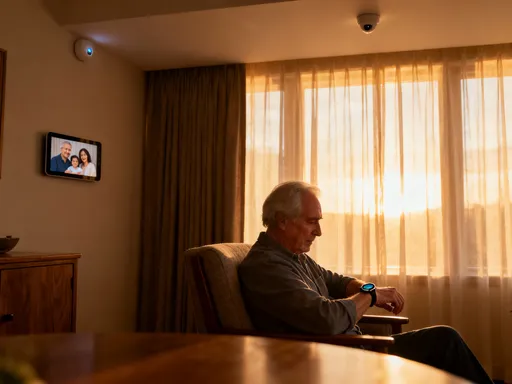
Here’s how it works. You set one up in your parents’ kitchen or living room. It shows family photos, sure, but it also has a voice assistant, a camera for video calls, and even health tracking features. The best part? It’s passive. They don’t have to do anything special. They just live their life.
Let’s say you’re at work and you get that familiar knot in your stomach. You haven’t heard from Dad today. Instead of calling and interrupting his routine, you say to your own device, “Hey Google, show me Dad’s Nest Hub.” If the screen is on and you see him sitting at the table with his morning coffee, you breathe a little easier. If it’s dark, you might send a quick message: “Everything okay? Your screen’s off.”
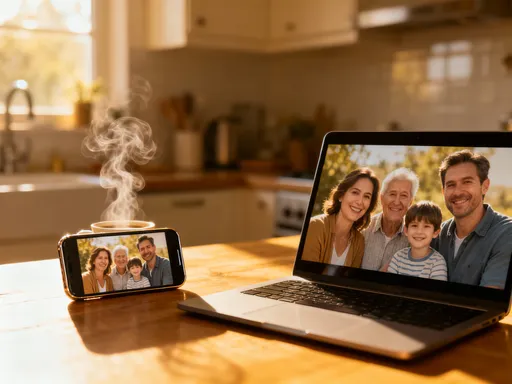
And the video calling? It’s effortless. No buttons to press, no apps to open. Just “Alexa, call Mom.” She hears her granddaughter’s voice and sees her face pop up on the screen. That ease makes a huge difference. The more they use it, the more connected they feel—and the more you can see how they’re really doing. Are they dressed? Are they alert? Is the house tidy? These small visual cues can tell you more than a ten-minute phone call.
I’ll never forget the week my mom wasn’t feeling well. She didn’t mention it on the phone, but when I saw her on the screen, she was still in her robe at noon. That’s when I knew something was off. I called, we talked, and I helped her reschedule her doctor. No drama. No panic. Just care, quietly delivered.
Wearables That Don’t Feel Like Medical Devices
Let’s be honest—most people don’t want to wear something that screams “I’m old” or “I’m sick.” A medical alert bracelet might be useful, but it can also feel like a label. That’s why wearables like the Apple Watch or Fitbit have been such a quiet revolution. They look like regular watches. They feel normal. But under the surface, they’re quietly tracking heart rate, sleep quality, activity levels, and even falls.
My uncle started wearing a smartwatch after his wife gently suggested it as a birthday gift. “It’s not because I think you need it,” she said. “It’s because I’d feel better knowing you’re moving.” He agreed, and now he checks his step count like it’s a little game. But for her, it’s peace of mind. When his steps drop below 1,000 for two days in a row, she gets a quiet alert. Not a red alarm. Just a nudge: “Hey, everything okay? You’ve been a little less active.”
Fall detection is another feature that’s more powerful than people realize. If the watch senses a hard fall and the person doesn’t move for a minute, it can automatically call emergency services and notify a family member. It’s not something you hope to use, but when it works, it can be life-saving. I know a woman whose mother fell in the bathroom and couldn’t reach the phone. The watch called 911 and sent a message to her daughter. Help arrived in minutes.
And sleep tracking? That’s been an eye-opener for so many families. Poor sleep can be an early sign of anxiety, pain, or even heart issues. When my dad started showing consistently low sleep scores, we didn’t jump to conclusions. But we did talk. Turns out, his mattress was uncomfortable, and he’d been too embarrassed to mention it. We got him a new one, and his sleep—and mood—improved overnight.
The key is permission. These tools only work if your parent agrees to share their data. It’s not about spying. It’s about caring. And when it’s framed that way, most parents are surprisingly open to it.
Automated Helpers: Sensors That Work in the Background
Now, let’s go a step further—into the world of sensors. And before you picture a house full of cameras, let me stop you. That’s not what this is. This is about small, discreet devices that notice patterns and alert you only when something’s off. Think of them as silent guardians.
Take motion sensors. You can place one in the hallway or kitchen—somewhere your parent passes every day. If there’s no movement by 10 a.m., you get a gentle alert. Not because they’re supposed to be up by then, but because it’s outside their normal routine. Maybe they’re fine. Maybe they’re just sleeping in. But now you can check in with a text: “Morning! How’d you sleep?” No pressure. Just presence.
Door sensors work the same way. If your mom usually goes to the mailbox every day and the front door hasn’t opened by noon, that might be worth a call. It’s not about tracking her every move. It’s about noticing when the rhythm of her day changes.
And then there’s the smart pill dispenser. These are small devices that organize medication by day and time. When it’s time to take a pill, it lights up and makes a sound. If the pills aren’t taken within a certain window, it sends a notification to a family member. I helped my aunt set one up for her husband, who was forgetting his evening dose. Now, if he misses it, she gets a message and can call to remind him. It’s not perfect, but it’s helped him stay on track.
The beauty of these tools is that they work in the background. No daily check-ins. No awkward questions. Just quiet awareness. And because they only alert you when something’s unusual, you don’t get overwhelmed. It’s like having a sixth sense for your parents’ well-being.
How to Talk About It Without Sounding Controlling
Here’s the truth: the hardest part isn’t the technology. It’s the conversation. How do you bring up fall detection or motion sensors without making your parent feel like you think they’re failing? How do you offer help without sounding like you’re taking over?
I’ve learned that timing and tone matter more than the tools themselves. You don’t want to spring it on them during a family dinner or in the middle of a stressful moment. Pick a quiet time, one-on-one, when you’re both relaxed.
And start with how *you* feel, not what *they* need. Say something like, “I love you, and I worry—not because I think you can’t handle things, but because I care. And sometimes, distance makes that worry feel bigger. I found a few little things that might help me feel more at ease. Would you be open to trying one?”
Frame it as a gift, not a fix. I bought my mom a smart display for her birthday and said, “I thought this would be a fun way for us to see each other more often. You don’t have to use it every day, but I’d love it if you did.” She loved the idea of seeing her grandkids’ faces pop up randomly. The health benefits were secondary—for her, at least. For me, they were everything.
And give them control. Let them decide what to share and what to keep private. Show them how to turn off notifications or disable features. This isn’t about surveillance. It’s about partnership. When they feel in charge, they’re more likely to embrace the tools.
Sometimes, it helps to share a story. “My friend’s dad has a watch that reminds him to take his pills, and it’s made such a difference,” you might say. It takes the pressure off. It makes it normal.
Small Steps, Big Peace of Mind
Here’s what I’ve learned after years of worrying, trying, and adjusting: you don’t need to do everything. You don’t need every sensor, every app, every gadget. In fact, starting small is better. Pick one thing that feels right for your family. Maybe it’s a shared calendar. Maybe it’s a smartwatch. Maybe it’s a motion sensor in the kitchen.
Try it. See how it feels. Adjust as needed. The goal isn’t perfection. It’s presence. It’s knowing that you’re not completely in the dark. It’s being able to act early, with kindness, instead of reacting late, in crisis.
Technology, when chosen with love, becomes an extension of care. It doesn’t replace phone calls. It doesn’t replace visits. But it does fill the quiet spaces between them. It turns “I hope they’re okay” into “I know they’re okay.” And that shift? It changes everything.
For me, it’s meant fewer late-night anxieties. More confidence that I’m not missing something important. And a deeper connection with my parents, even from miles away. Because now, I’m not just hearing their voice on the phone. I’m seeing their walks, noticing their routines, and being part of their days in small but meaningful ways.
And for them? It’s not about feeling watched. It’s about feeling loved. It’s knowing that someone cares enough to pay attention. That someone is there, even when they’re not.
So if you’ve been carrying that quiet worry, I want you to know: you don’t have to do it alone. There are tools—simple, kind, human tools—that can help. You don’t need to be a tech expert. You just need to care. And sometimes, that care can come in the form of a gentle alert, a shared photo, or a watch that knows when to call for help.
Because love doesn’t shrink with distance. And with the right tools, neither does peace of mind.