Sick of starting every day dehydrated and sluggish? This app quietly fixed my water habit for good
You know that foggy feeling every morning—dry mouth, low energy, struggling to focus? I used to chug coffee and wonder why I crashed by noon. Turns out, I was chronically under-hydrated. Then I found a simple app that didn’t just nag me to drink water, but actually helped me build the habit. It felt like having a quiet, caring friend nudging me at the right moments. Now, my energy is steadier, my skin glows, and I don’t forget to drink for hours. This isn’t about perfection—it’s about progress, one sip at a time.
The Hidden Daily Struggle: Why We All Forget to Drink Water
Let’s be honest—how many of us wake up already behind schedule? The alarm goes off, we hit snooze once (okay, maybe twice), then jump out of bed rushing to get the kids dressed, pack lunches, or log into a morning meeting. In that blur, when was the last time you actually poured a glass of water before anything else? For years, I didn’t. My first drink was always coffee, and by 10 a.m., I’d feel jittery but somehow still foggy. By 2 p.m., I’d hit a wall—headache creeping in, eyes straining to stay open, snacks calling louder than sense. I blamed stress, aging, or just being ‘bad at adulting.’ But the real culprit? Dehydration.
It’s not dramatic, and it doesn’t come with warning sirens, but starting your day without water sets a shaky foundation. Your body spends the night losing moisture through breathing and sweat, and by morning, you’re already down a glass or two. Yet most of us ignore thirst cues—especially women juggling home, work, and family. We’ve been trained to push through, to prioritize everyone else’s needs before our own. So we skip the water, grab the caffeine, and wonder why we’re tired, irritable, or breaking out. The truth is, mild dehydration affects concentration, mood, digestion, and even skin health. It’s not a flaw in us—it’s a flaw in the system we’re living in. But here’s the good news: one tiny change can start to shift everything.
And it doesn’t have to be hard. You don’t need to chug a gallon first thing or carry a giant bottle like a fitness influencer. What you need is something that works with your real life—not against it. That’s where technology, when done right, can quietly step in and make all the difference.
Meet the App That Feels Like a Thoughtful Friend
I’ll admit, I was skeptical at first. I’d tried other water tracking apps—ones with loud alarms, flashing badges, and guilt-tripping messages like “You’re failing your hydration goal!” They felt more like drill sergeants than helpers. I’d use them for two days, feel annoyed, and delete them. But this one was different from the start. Instead of demanding perfection, it asked, “What’s your morning like?” and “When do you usually remember to drink?” It didn’t assume I had a perfect routine. It met me where I was.
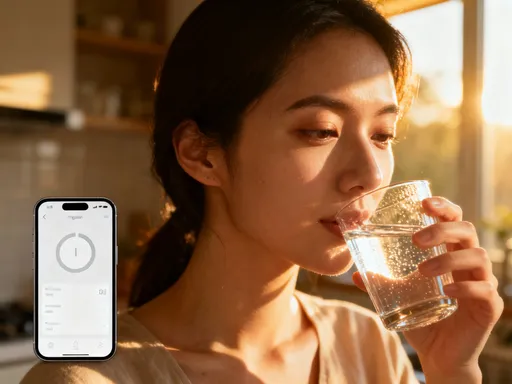
The first thing I noticed was the tone of the reminders. No shouting, no red exclamation marks. Just gentle nudges, like “Hey, you’ve been focused for a while—how about a sip?” or “Great job finishing that call! Maybe now’s a good time for water?” It felt thoughtful, almost intuitive. And that’s because it learns. Over time, it noticed I always forgot to drink between 1 p.m. and 3 p.m.—right when my energy dipped. So it started sending a soft chime around 12:45, paired with a calming color on the screen. Not pushy. Just present.
The design is simple, warm, and easy on the eyes—soft blues and whites, no clutter. You tap when you’ve had a glass, and it gives a quiet animation, like a ripple in water. No pressure to log every single sip perfectly. It’s not about being exact; it’s about building awareness. I found myself noticing my body more—realizing I was thirsty before I felt it, recognizing that my afternoon headache wasn’t inevitable. That shift—from forgetting to noticing—was everything.
And the best part? It didn’t take over my phone. No constant pings. No obsession. It worked in the background, like a quiet companion who only speaks when it matters. That’s what made it stick.
How It Connects to Bigger Health Goals—Without Overwhelm
Here’s something surprising: since I started drinking more water consistently, other healthy habits have started to fall into place—naturally. I’m not trying harder. I’m just… showing up differently. For example, I used to snack mid-morning out of boredom or habit. Now, when that urge hits, I pause and ask, “Am I actually hungry—or just thirsty?” More often than not, a glass of water does the trick. I’ve saved calories, yes, but more importantly, I’ve started trusting my body’s signals again.
The app gently supports this, too. It doesn’t preach or judge. But over time, it shows little insights—like “You drank more on days when you ate lighter lunches” or “Your energy peaks are higher on well-hydrated days.” These aren’t pushy facts. They’re gentle observations that help you connect the dots. And that’s powerful. Because when you see how one small habit affects your whole day, you start to care more—not out of guilt, but out of curiosity and self-respect.
Hydration also supports digestion, which means less bloating and more comfort—something so many of us struggle with but rarely talk about. I’ve noticed I feel lighter, especially after meals. My skin looks clearer, not because I bought a fancy serum, but because my body is functioning better from the inside. And while the app doesn’t claim to fix anything, it helps create the conditions where your body can thrive. It’s not a magic pill. It’s a daily practice of showing up for yourself, one glass at a time.
The beauty of it is that it doesn’t ask for more willpower. It just makes the right choice easier. And when small wins add up, you start to believe you can do more. That confidence spills over—into sleep, movement, even how you speak to yourself. That’s how real change begins: not with a big overhaul, but with a quiet shift in how you treat your body every day.
Learning the Skill of Habit Stacking—With Real-Life Examples
One of the smartest things this app taught me wasn’t about water—it was about how to build habits in a way that lasts. It introduced me to the idea of “habit stacking,” which is simply pairing a new behavior with something you already do automatically. Like brushing your teeth, checking your phone, or waiting for the microwave. These are moments already wired into your brain. So instead of trying to remember something new, you attach it to what’s already there.
For me, it started with one simple stack: after I brush my teeth in the morning, I pour a glass of water before I even look at my phone. That tiny pause—just 30 seconds—sets a tone of care for the day. No caffeine rush, no email stress. Just water, silence, and a moment to breathe. I didn’t force it. I just practiced it, day after day, until it felt natural.
I’ve heard so many other women share their own stacks—like a mom in Texas who drinks a glass while waiting for the school bus to arrive, or a nurse in Ohio who sips water every time she washes her hands between patients. One woman told me she links it to her coffee habit: “I don’t drink coffee until I’ve had one full glass of water.” It’s not about denying herself—just creating a small pause that honors her body first.
What I love about habit stacking is that it’s not rigid. If you miss a morning, you don’t fail. You just try again at the next opportunity. The app supports this by celebrating consistency, not perfection. It might say, “You’ve hit your morning stack 5 days this week—great job!” That kind of encouragement feels kind, not critical. And over time, these tiny rituals become part of who you are—not something you have to remember, but something you naturally do.
It’s amazing how something so small can rewire your day. And the more you do it, the more you start applying it elsewhere—like stretching after you hang up the phone, or taking three deep breaths before starting the car. These micro-moments of care add up to a calmer, more centered life.
Family-Friendly Features That Bring Everyone Along
Here’s a sweet surprise: this habit didn’t stay just mine. When my daughter saw me tapping the app after drinking, she asked, “Can I have one too?” So we set up a family account. Now, we have little shared goals—like “Drink 8 glasses together today!”—and fun challenges, like “Water Wednesday” where we all try to finish our bottles by dinner. There’s no pressure, just playful encouragement. And somehow, making it a family thing made it stick even more.
The app has a kid-friendly mode with cheerful animations and simple prompts. My daughter gets a little chime and a smiling cloud when she logs her water. She’s in third grade, and now she reminds *me* to drink. “Mom, you forgot your afternoon glass!” she’ll say, half-teasing, half-caring. It’s adorable—and powerful. Because now, hydration isn’t just a personal goal. It’s a shared value. A quiet way we show love.
My husband even joined in. He used to live on soda, but when he saw how much better I felt, he swapped one can for water and started using the app too. We don’t compete. We cheer each other on. “Nice job hitting your goal today,” he’ll say. Or I’ll text him, “Don’t forget your post-workout sip!” It’s become a small thread of connection in our busy lives—a way to care for each other without saying a word.
And for busy moms, this matters. We spend so much time making sure everyone else is fed, hydrated, and taken care of. But when we model self-care, we teach our kids that their own needs matter too. That’s a lesson no textbook can teach. It’s one we live out, glass by glass.
From Tool to Lifestyle: How Consistency Builds Confidence
After a few weeks, something shifted. I didn’t need the app as much. The reminders became background noise because drinking water was just… what I did. I’d reach for the glass without thinking. And that’s when I realized: the app wasn’t just teaching me to drink water. It was teaching me to trust myself.
Think about that. How often do we start healthy habits, only to give up because we miss a day? We think, “I’ve failed,” and throw in the towel. But this experience showed me that consistency isn’t about being perfect. It’s about showing up, again and again, even when it’s messy. And every time I tapped that glass icon—whether I was on track or playing catch-up—I was reinforcing a belief: “I am someone who cares for myself.”
That belief has started to grow. Now, when I feel tired, I ask, “Did I drink enough?” When I’m stressed, I pause and breathe—and often, drink. I’ve started applying the same gentle approach to sleep, trying to go to bed just 15 minutes earlier, or to move my body in ways that feel good, not punishing. The skill of small, sustainable changes has become a life tool—one I didn’t know I needed.
The app’s progress screen shows streaks and patterns, but what it really shows is growth. Not just in numbers, but in self-trust. I look back at a week where I hit my goal five days out of seven and think, “That’s progress.” Not “I failed twice.” That mindset shift—from criticism to compassion—is everything.
And that’s the quiet power of good technology: it doesn’t demand your attention. It supports your values. It helps you become the person you already want to be—just a little faster, a little easier.
A Calmer, Clearer You—One Sip at a Time
Looking back, I didn’t set out to transform my health. I just wanted to stop feeling so tired all the time. But that one small change—drinking water consistently—has rippled through my life in ways I never expected. My energy is more stable. My focus is sharper. My skin looks healthier. But more than that, I feel calmer. More present. More in tune with my body.
And the app? It’s still there, but I barely notice it. It’s faded into the background because the habit has taken root. That’s the sign of truly good tech—not something that shouts for attention, but something that quietly helps you thrive until you don’t need it anymore.
This journey wasn’t about fixing a flaw. It was about learning to treat myself with kindness. To honor my body’s needs, even in the chaos of daily life. To build a habit not out of guilt, but out of love. And in doing so, I’ve discovered something beautiful: self-care isn’t selfish. It’s necessary. It’s how we show up fully—for our families, our work, and ourselves.
If you’ve ever felt too busy, too tired, or too overwhelmed to start a healthy habit, I get it. But what if it didn’t have to be hard? What if the right tool could meet you where you are, with kindness and simplicity? That’s what this app offered me. And now, every time I take a sip, I’m not just hydrating my body. I’m honoring the woman I’m becoming—one quiet, intentional moment at a time.