I kept saying ‘We’re on the same page’ — until this tool showed we weren’t
Ever had a team meeting where everyone nodded in agreement, only to realize later that no one was actually aligned? I’ve been there — miscommunication, missed deadlines, creative ideas lost in endless chat threads. It wasn’t just frustrating; it was costing us time, energy, and trust. Then we found a better way. Not with more meetings or stricter rules, but with a simple shift in how we connect. This is the story of how the right tool helped us finally mean the same thing when we said, “Let’s do this together.”
The Moment Everything Felt Off (Even Though Everyone Said It Was Fine)
It started like any other project — full of excitement and good intentions. We were redesigning a client’s website, something we’d done many times before. In our kickoff call, everyone agreed on the vision: clean, modern, user-friendly. We used all the right words. Nods all around. “Yes, I’m on board.” “Totally get it.” “Let’s make it happen.” But when the final design went live, the client was stunned — not in a good way. “This isn’t what we discussed,” she said, voice tight with confusion. And honestly? I couldn’t blame her.
Because as I looked at the site, I realized something unsettling: we had all been picturing something different. The copywriter thought “modern” meant bold fonts and vibrant colors. The designer interpreted it as minimalist, almost monochrome. I assumed we were keeping the navigation structure, but someone had completely reorganized it without flagging it. No one had lied. No one had ignored instructions. We just… weren’t seeing the same thing. And the worst part? We’d never noticed until it was too late.
That moment hit me hard. It wasn’t just about a missed detail or a misread email. It was about the quiet erosion of trust that happens when you think you’re aligned but aren’t. You start questioning yourself. Did I not explain clearly enough? Did I miss something obvious? And slowly, the team dynamic shifts. You stop assuming good intent. You start over-communicating, over-documenting, over-checking — not because you want to, but because you’re afraid of another surprise. The energy that should go into creating goes into protecting. And creativity? It withers.
I remember sitting at my kitchen table that night, laptop open, replaying the project timeline in my head. How many times had we said, “Let’s circle back”? How many times had someone said, “Sounds good” in a message, only to later push back on the outcome? We were all trying — really trying — but something fundamental was missing. We weren’t sharing understanding. We were just sharing words.
Why “Talking More” Doesn’t Fix Miscommunication
So what did we do after that disaster? Naturally, we doubled down on communication. More meetings. More email threads. Daily check-ins. We even introduced a new rule: every change had to be approved in writing. And guess what? It made things worse. Our inboxes exploded. Meetings ran long and felt circular. People started tuning out, multitasking, or just saying “yes” to get off the call. We weren’t communicating better — we were just communicating more, and louder, and more chaotically.
I started to wonder: why does “communicate better” always mean “talk more”? When my daughter was learning to read, I didn’t just repeat the same sentence over and over. I showed her the pictures. I pointed to the words. I acted it out. I used different ways to help her understand. So why, in our professional lives, do we rely almost entirely on text and voice? Why do we expect people to build the same mental image from a paragraph in an email or a five-minute recap?
The truth is, talking more doesn’t create alignment — it often masks misalignment. When someone says, “I agree,” in a meeting, they might be agreeing to their version of the idea, not yours. And because we’re not seeing the same thing, we don’t realize we’re drifting apart until the result shocks us. I remember one time, we spent three days debating the tone of a tagline in Slack. Three days! And when we finally picked one, the client said, “Wait, I thought we were going in a completely different direction.” All that talking, and we still weren’t on the same page.
That’s when it hit me: we didn’t need more communication. We needed shared understanding. We needed a way to see what each other saw — not just describe it. We needed to move from telling to showing. From explaining to experiencing. And that required a different kind of tool — not another messaging app, not another calendar invite, but something that let us build ideas together, in real time, where everyone could see the same thing at the same time.
The Tool That Changed How We See Each Other’s Thinking
It wasn’t a flashy launch or a sales pitch that brought this tool into our lives. It was a friend — a fellow creative director — who mentioned it over coffee. “We started using this visual workspace,” she said, “and suddenly, our team just… got each other.” I rolled my eyes a little. Another tech fix? But I was desperate. So I gave it a try.
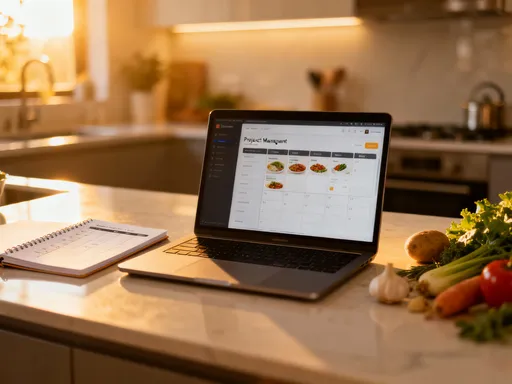
The first time I opened the platform, I didn’t see folders or chat windows. I saw a blank canvas — big, white, and a little intimidating. But then I invited my team to join. We were in the middle of planning a new campaign, and instead of sending around mockups or writing up a brief, I said, “Let’s just build it here, together.” We started dragging images, typing ideas, sketching rough layouts — all on the same screen, at the same time.
And something shifted immediately. When Sarah, our junior designer, moved a headline to the top of the page, we all saw it. When James adjusted the color palette, we watched the change happen live. There was no “Can you clarify what you meant?” There was no “I thought we agreed on blue.” We were all witnessing the evolution of the idea, together. It wasn’t just about the final design — it was about the process. For the first time, I could see how my teammates thought. I could see what excited them, what they prioritized, how they solved problems.
One moment stands out. We were stuck on the campaign’s core message. We’d been going in circles for days. But in that session, someone dragged a quote from a customer review into the center of the canvas. Then another person added a photo next to it. Then a third started sketching a slogan around it. No one said, “I think we should do this.” They just did it — and the rest of us followed. Within 20 minutes, we had a direction that felt right. Not because someone convinced us, but because we built it together, piece by piece, and everyone could see it come together.
That’s when I realized: this wasn’t just a tool for collaboration. It was a tool for empathy. Because when you see someone move an idea into place, when you watch them hesitate, adjust, try again — you don’t just understand their output. You understand their thinking. And that changes everything.
From Chaos to Clarity: How Real-Time Co-Creation Builds Trust
Before this tool, feedback felt like a battle. Someone would send a design, and the responses would come in like arrows: “Change the font.” “Move the button.” “Make it pop.” There was no context, no explanation — just a list of demands. The designer would feel attacked. The reviewer would feel ignored. And the project would stall.
Now, feedback happens live. Instead of commenting on a static image, we gather on the canvas. We look at the design together. If someone wants to change the layout, they don’t just say it — they show it. They drag the elements around, explain why as they go. “I’m moving this here because I think the eye should flow this way,” they might say. And instead of resisting, the original designer leans in. “Oh, I see what you mean. What if we tried it like this?” And they tweak it together.
This isn’t just faster — it’s kinder. It turns feedback from a critique into a conversation. It removes the guesswork. There’s no “I didn’t mean that” or “You misunderstood.” You’re both looking at the same thing, making changes in real time. And because you’re building side by side, there’s no ownership drama. The idea belongs to the team, not to one person. That shift — from “your idea” and “my idea” to “our idea” — is where trust grows.
I’ve watched tense moments dissolve because of this. A senior stakeholder once came in skeptical, ready to push back. But instead of arguing, we invited her to the canvas. “Show us what you’re thinking,” we said. She started moving things around, and as she did, we asked questions, offered alternatives, built on her vision. By the end, she wasn’t a critic — she was a co-creator. And she left saying, “I finally feel heard.”
That’s the power of seeing, not just hearing. When you witness the birth of an idea — when you’re part of shaping it — you don’t just accept the outcome. You believe in it. And that belief fuels momentum. Projects move faster not because we’re working more hours, but because we’re aligned from the start. Decisions happen in minutes, not days. Revisions drop by half. And the work? It’s better. Because it’s not one person’s vision polished by committee — it’s a true collaboration, shaped by many minds.
Making Space for Quiet Voices (and Why That Matters)
Let’s be honest: in most meetings, the loudest voices win. The ones who speak quickly, confidently, without hesitation. And while they often have great ideas, they don’t have all the ideas. Some of the best insights come from the quiet ones — the thinkers, the observers, the ones who need time to process.
In our old workflow, those voices got lost. The fast talkers dominated the calls. The detailed thinkers sent thoughtful messages that got buried in long threads. The visual learners struggled to express themselves in text. But on the shared canvas, everything changed. The playing field leveled.
Now, someone can contribute without speaking a word. They can add a sticky note with a question. They can adjust a color and see if it sticks. They can rearrange sections silently, letting the idea speak for itself. And because the canvas is always there — accessible anytime — they don’t have to jump in during a live call. They can engage on their own time, in their own way.
I’ll never forget when Maria, our most introverted designer, transformed a campaign overnight. She didn’t present in a meeting. She didn’t send a long email. She just went into the canvas late one evening and reworked the entire mood board. She changed the color palette, added new reference images, wrote a short note: “What if we leaned into warmth instead of energy?” The next morning, we all saw it. No debate. No resistance. Everyone just said, “Yes. This is it.”
That moment did more than improve the project — it changed Maria. She started speaking up more. She volunteered to lead sessions. She even mentored a new team member. Because she had finally been seen — not for how loudly she spoke, but for the quality of her thinking. And that’s what this tool does: it doesn’t just improve collaboration. It honors every kind of contributor. It says, “Your voice matters — however you choose to share it.”
The Ripple Effect: How Better Interaction Improved Everything Else
When I first adopted this tool, I thought it would just make our design process smoother. I had no idea it would transform our entire team culture. The changes started small — fewer meeting overruns, quicker approvals — but they added up fast.
Meetings got shorter because we weren’t spending half the time clarifying misunderstandings. We could jump straight into decisions because we’d already aligned on the canvas. Client calls became more productive — we could share the live workspace and walk them through changes in real time. No more “Wait, when did this happen?” No more “I thought we agreed on something else.” They could see the evolution, just like we did.
But the deeper changes were personal. Team members started showing up differently. They were more confident. More willing to take risks. Because they knew their ideas would be seen, not just heard. One teammate told me, “For the first time, I feel like my brain is visible at work.” Another said, “I used to dread feedback. Now I look forward to it.”
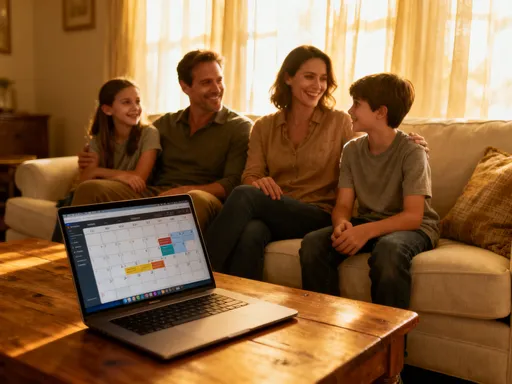
And it didn’t stop at work. I noticed it in my own life. I became a better listener. I started asking, “Can you show me what you mean?” instead of just nodding along. I applied the same principle at home — when planning family events, I’d sketch out options on paper, let everyone move things around. Suddenly, my kids felt more involved. My partner felt more heard. The tool didn’t just change how we worked — it changed how we connected.
Stress levels dropped. Creativity soared. We started saying “We’re on the same page” — and actually meaning it. Not as a hope. Not as a polite fiction. But as a fact. Because we could see it. Together.
Starting Small: How You Can Try This Without Overhauling Your Workflow
I know what you might be thinking: “This sounds great, but I can’t just throw out everything we’re using.” And you don’t have to. That’s the beauty of this shift — it doesn’t require a total reset. You don’t need to cancel all your meetings or abandon your favorite tools. You just need to start small.
Try this: pick one project — just one — and run one co-creation session on a shared canvas. Invite your team. Don’t aim for perfection. Just open the space and say, “Let’s build this together.” Use it for brainstorming. For feedback. For planning. See how it feels to see each other’s thinking in real time.
Or, try replacing your next round of feedback comments with a live session. Instead of sending a list of notes, gather on the canvas and make the changes together. You’ll spend less time explaining and more time creating.
And here’s a simple but powerful idea: invite one quiet teammate to lead a session. Give them the space to guide the team in their own way. You might be surprised by what emerges.
The goal isn’t to replace your tools. It’s to add one that helps you truly connect. Because technology shouldn’t just make us faster — it should make us more human. It should help us see each other, understand each other, build with each other.
So the next time you’re in a meeting and everyone says, “We’re on the same page,” pause for a second. Do you really mean the same thing? Can you see it? If not, maybe it’s time to try a different way. Not more talking. Not more rules. Just a shared space, a little courage, and the belief that when we create together — truly together — we don’t just make better work. We become better teammates. And that, I’ve learned, is the most valuable outcome of all.