From Snacking to Savoring: How Podcast Apps Quietly Transformed My Diet Journey
Staring at another half-empty chip bag, I realized my late-night snacking wasn’t about hunger—it was about distraction. I needed something to fill the silence, not the emptiness. Then I tried listening to a food storytelling podcast while chopping vegetables, and something shifted. The right voice in my ears made mindful eating feel natural, not forced. That small change sparked a bigger one: using podcast apps not just for entertainment, but as gentle guides to organize my meals, track cravings, and stay grounded. It wasn’t a strict diet app—it was a smarter, calmer way to care for myself. And honestly, if you’ve ever found yourself mindlessly munching while scrolling or zoning out in front of the TV, you might be surprised how much a simple audio companion can change the way you eat, feel, and live.
The Noise Behind Our Eating Habits
We often eat not because we’re hungry, but because our minds are restless. Think about it—how many times have you opened the fridge not to grab a meal, but just to do *something*? I used to keep the kitchen radio on from dusk till bedtime, not because I loved the music, but because the silence felt heavy. The quiet after the kids went to bed, the stillness after dinner cleanup—it all made me uneasy. So I’d turn on noise. Any noise. A cooking show in the background, a random YouTube video, or even just the hum of the dishwasher. But instead of calming me, it pulled me deeper into autopilot. I’d stand in front of the pantry, not tasting what I put in my mouth, just filling space.
What I didn’t realize at the time was that this wasn’t a food problem—it was a focus problem. My brain was craving stimulation, not calories. The snacks were just the easiest outlet. I’d tell myself, I just need a little something, but that little something often turned into a full bag of crackers or a bowl of ice cream. And the next morning, I’d feel tired, bloated, and guilty. But the guilt didn’t help. It just made me feel worse, which made me want to reach for comfort food again. It was a cycle I couldn’t seem to break.
Then one night, I decided to try something different. Instead of turning on the TV after dinner, I pulled out my phone and opened a podcast app. I searched for something light—maybe a story about food, or a calm voice talking about simple living. I found an episode called “The Joy of Eating with Your Ears”—yes, that’s a real title—and pressed play. I didn’t expect much. But as I washed dishes, I found myself actually listening. Not just hearing, but paying attention. The host spoke slowly, thoughtfully, about how taste isn’t just about the tongue—it’s about presence. And for the first time in weeks, I didn’t open the snack drawer. That moment didn’t fix everything, but it lit a spark. What if, instead of drowning my thoughts in noise, I could fill that space with something that actually helped me slow down?
Why Podcasts Work When Diets Fail
Let’s be honest—most diet apps don’t feel supportive. They feel like report cards. You log your breakfast, and the app tells you how many points you’ve earned. You skip a meal, and it sends a passive-aggressive reminder: You haven’t logged lunch yet! It’s exhausting. And after a while, it starts to feel like you’re not doing it for yourself—you’re doing it to please a machine. I tried a few of them. I lasted a week, maybe two. Then I’d stop logging, feel guilty, and give up entirely. The whole system felt rigid, cold, and disconnected from real life.
Podcasts, on the other hand, don’t ask anything of me. No logging. No tracking. No points. They just show up, talk to me like a real person, and let me decide what to do with what I hear. I remember one episode where a woman shared how she used to eat an entire box of cookies after putting her kids to bed—not because she was hungry, but because she felt invisible. Her voice cracked as she said, I just wanted to feel something. I paused the episode, sat down, and just breathed. I had never heard anyone say that out loud. And in that moment, I didn’t feel broken. I felt seen.
That’s the power of podcast listening. It’s not about rules—it’s about resonance. When I hear someone talk about how they learned to pause before eating, or how they started cooking again after years of takeout, it doesn’t feel like a lecture. It feels like a conversation. And slowly, those conversations started to shift my habits. I wasn’t trying to “be good” or “earn points.” I was learning, reflecting, and choosing differently—not because I had to, but because I wanted to. The podcast didn’t change my behavior. It changed my mindset. And that made all the difference.
Turning Meal Prep into a Moment of Calm
Cooking used to feel like a chore. After a long day of work, emails, school pickups, and household tasks, the last thing I wanted to do was stand over a hot stove. I’d rush through chopping, burn the onions, and end up ordering takeout anyway. And even when I did cook, I wasn’t present. I’d be thinking about the next day’s to-do list or replaying a tense conversation from work. No wonder the food never tasted as good as I hoped.
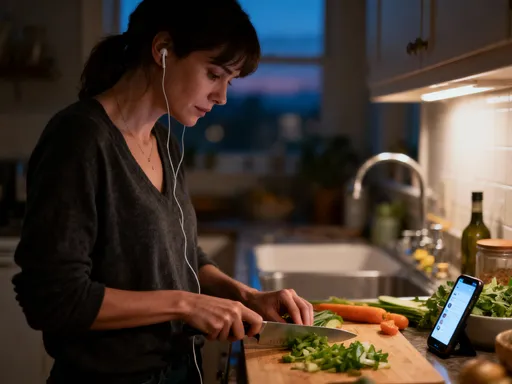
Then I started playing a podcast while I cooked. Not just any podcast—a calm, thoughtful one. Something with a steady rhythm, like a host walking you through a quiet kitchen garden or describing the smell of fresh herbs. I found one called “The Slow Kitchen”—a weekly show where a home cook shares simple recipes and stories about family meals. I’d press play, pour a glass of water, and start chopping. And something shifted.
The host’s voice became a kind of anchor. When she said, Take your time. There’s no rush, I actually believed her. I slowed down. I noticed the color of the peppers, the sound of the knife hitting the board, the way the garlic smelled when it hit the oil. Cooking stopped being a task and started feeling like a ritual. I wasn’t just feeding my family—I was caring for them, and for myself. And the best part? I began to look forward to it. That half-hour after work became my time. One episode. One meal. One chance to reset before the evening chaos began.
Using Playlists to Plan and Organize
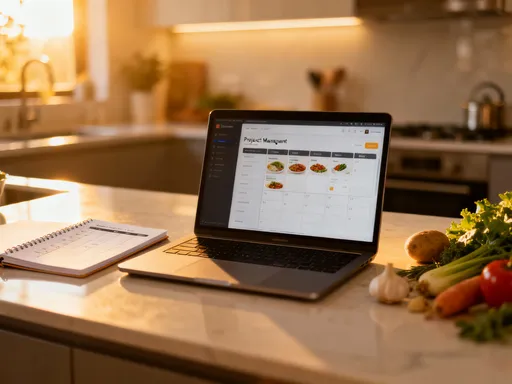
One of the most underrated features of podcast apps is the ability to create playlists. Most people use them for music, but I started using mine to organize my eating rhythm. I made a playlist called “Sunday Reset”—just ten episodes about seasonal cooking, pantry staples, and easy freezer meals. Every Friday night, I’d listen to one while planning my grocery list. It wasn’t about following a strict meal plan. It was about getting inspired.
I also made a playlist called “Quick & Calm Breakfasts”—short episodes under 15 minutes that shared simple morning routines, healthy smoothie ideas, or stories about slow coffee moments. I’d play one while making tea or packing school lunches. Hearing someone describe how they start their day with a piece of fruit and five minutes of stretching made me want to try it too. It wasn’t a command—it was an invitation.
And here’s the thing: when I heard a chef talk about how roasting sweet potatoes brings out their natural sweetness, I actually bought sweet potatoes. When a mom shared how her kids love lentil soup when it’s made with smoked paprika, I added paprika to my cart. The podcast didn’t tell me what to eat—it helped me *want* to eat better. And because I could save and organize these episodes, I never lost the ideas. My playlists became a living cookbook, a voice-guided meal planner that grew with me.
Listening to Cravings—Without Giving In
Cravings used to feel like emergencies. A wave of stress at work? I’d head to the vending machine. A quiet evening at home? I’d pull out the chocolate. My body wasn’t asking for sugar—it was asking for comfort. But I didn’t know how to meet that need in a kind way. So I’d give in, feel guilty, and promise myself I’d “start fresh tomorrow.”
Then I discovered mindfulness podcasts. Not long, intense meditations—just short, gentle episodes about awareness, breath, and presence. When a craving hit, I started doing something radical: I paused. Instead of reaching for food, I reached for my phone. I’d open my podcast app, search for “craving,” and play a 10-minute episode. One of my favorites is called “The Urge Is Not a Command,” where the host gently walks you through noticing the physical sensation of a craving without acting on it.
At first, it felt strange. Sitting with discomfort? Who wants to do that? But over time, I learned that cravings pass. They rise, peak, and fall—like a wave. And if I could just ride it out, I didn’t have to drown in it. The podcast gave me a tool: attention. Instead of asking What do I want to eat?, I started asking What do I really need right now? Am I tired? Overwhelmed? Missing connection? The answer wasn’t always food. Sometimes it was a call to a friend. Sometimes it was a walk around the block. And sometimes, yes, it was a small piece of dark chocolate—eaten slowly, with gratitude, not guilt.
Shared Stories, Shared Strength
One of the most beautiful side effects of this journey has been connection. I started sharing episodes with my sister. We don’t live close, but we both struggle with emotional eating. Now, every Sunday, we text each other: Have you heard the one about the woman who started baking bread instead of stress-eating? We listen, then talk about it during our weekly walks. We don’t compare diets or shame each other. We just share. And in that sharing, we’ve found strength.
There’s something powerful about hearing someone say, I used to eat when I felt empty, but now I try to listen to what’s really missing. It’s not advice. It’s solidarity. And when we listen together, it doesn’t feel like we’re “fixing” ourselves. It feels like we’re growing. We’ve started a small tradition—every month, we pick a theme, like “mindful breakfasts” or “cooking with kids,” and we find podcasts about it. We take notes, try recipes, and laugh when things go wrong. It’s become a form of self-care that we do *together*, not in isolation.
And it’s not just my sister. I’ve recommended certain episodes to my neighbor, my cousin, even my mom. Not because I think they “need help,” but because these stories feel like gifts. They don’t tell us what to do. They remind us that we’re not alone. And in a world that often makes us feel like we’re failing, that’s a powerful thing.
A Smarter, Softer Way to Nourish Yourself
I don’t use diet apps anymore. Not because they don’t work for anyone—but because they didn’t work for *me*. They made me feel watched, judged, and small. Podcast apps, on the other hand, made me feel accompanied. They didn’t fix my eating habits with algorithms. They helped me rebuild my relationship with food—one story, one moment, one mindful bite at a time.
What I’ve learned is that real change doesn’t come from tracking every calorie. It comes from presence. From slowing down. From listening—not just to a podcast, but to yourself. When I hear a host say, Pause. Breathe. You don’t have to eat right now, it’s not just advice. It’s permission. Permission to be human. To be tired. To be emotional. And to care for myself in a way that feels kind, not punishing.
Technology doesn’t have to be cold or demanding. When it’s designed with empathy—when it speaks to our hearts, not just our habits—it can become a quiet ally. My podcast app isn’t a tool for perfection. It’s a companion for progress. It doesn’t tell me what to eat. It helps me remember *why* I want to eat well: to feel strong, to show up for my family, to enjoy my life.
If you’ve ever felt stuck in the cycle of guilt, craving, and regret around food, I want you to know this: you don’t need another app that shames you. You might just need a voice that understands you. Try it tonight. Put on your headphones. Play a story about cooking, or craving, or calm. Let the words fill the silence. And see what happens when you stop reaching for snacks—and start listening instead.