Tired of rushing to the market after work? Fresh produce delivered while you unwind
How many evenings have you spent exhausted after work, only to face the dreaded grocery run? The crowded aisles, the missing ingredients, the wilted greens by day’s end—it’s enough to drain your energy. I used to battle this too, until I discovered how fresh produce delivery platforms quietly reshaped my weeknights. No more stress, no more last-minute takeout. Just real food, arriving when it suits me. This isn’t about tech for tech’s sake—it’s about giving you back time, calm, and control.
The Evening Grind: When Work Follows You Home
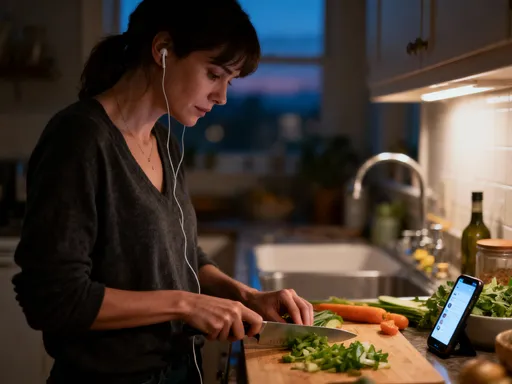
Let’s be honest—most of us don’t clock out at five. Even after the laptop closes, the mental load keeps running. What’s for dinner? Did the kids finish their homework? Did I remember to defrost something? And then, like a final boss level, there’s the grocery store. You walk in tired, kids in tow or phone buzzing with messages, and suddenly you’re making decisions under fluorescent lights with a cart that wobbles on one wheel. I’ve stood in front of the lettuce display more times than I can count, wondering if the slightly yellowing bag is still okay, or if I should just give up and order pizza—again.
That moment, right there, is where the cycle breaks down. It’s not just about food. It’s about energy, dignity, and the quiet erosion of your personal time. When you’re already running on empty, adding one more task—even a necessary one—feels like too much. I used to come home with limp spinach and half the list forgotten, only to spend twenty minutes rearranging the fridge while my daughter asked for a snack. The groceries weren’t the problem. The timing was. And that timing was stealing something far more valuable than money: peace.
Think about it. How many weeknights have vanished into the vortex of last-minute shopping, only to end with a meal that no one really wanted? The irony is, we do it to care for our families, but in the process, we deplete ourselves. And when we’re depleted, everything suffers—our patience, our health, even our joy in the small things. I started asking myself: Is there another way? Not a perfect way, not a luxury way, but something that simply fits better into the messy, beautiful reality of my life?
A Small Change That Shifted My Whole Routine
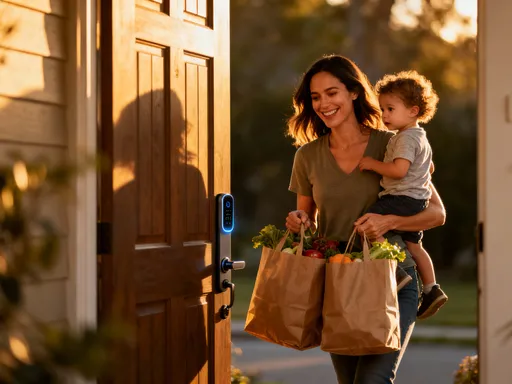
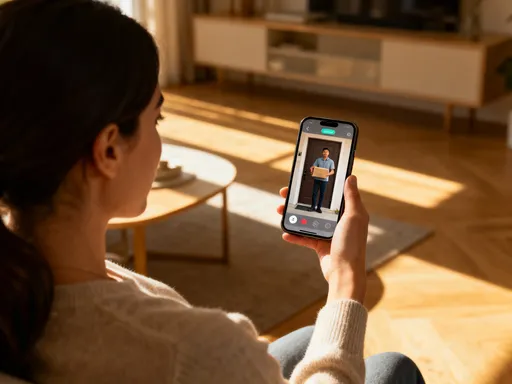
The first time I tried a fresh produce delivery service, I did it out of desperation. It was raining, my youngest had a fever, and I realized—midway through making soup—I had no carrots. I opened an app I’d downloaded months ago and forgotten, tapped a few buttons, and within two days, a brown box arrived at my door. I didn’t expect much. I assumed the tomatoes would be hard, the herbs wilted, the price too high for what I’d get. But when I opened it, the basil smelled like summer, the kale was crisp, and the apples had that just-picked shine. I stood in my kitchen, holding a bell pepper like it was a small miracle.
What surprised me most wasn’t the freshness—it was the silence. No beeping scanners, no crying toddler in the cereal aisle, no internal debate about whether I needed three kinds of mustard. Just me, my kitchen, and ingredients that actually matched what I’d ordered. That night, I made the soup—real soup, with vegetables that hadn’t been sitting under heat lamps for hours. My daughter ate two bowls. My husband said, “This tastes like Mom used to make.” And I realized: it wasn’t the recipe that changed. It was the starting point.
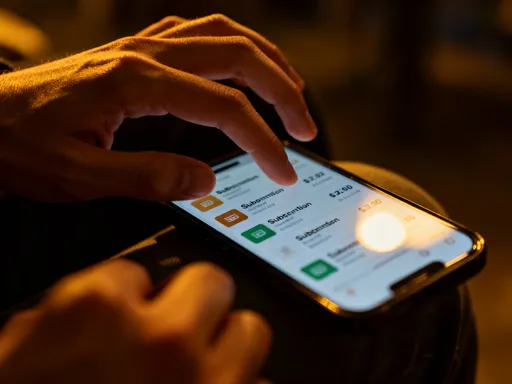
I’ll admit, I was skeptical at first. Was this just another thing to manage? Another subscription to forget to cancel? But the truth is, it became the opposite. It removed friction instead of adding it. I didn’t have to pack the kids into the car. I didn’t have to navigate parking or wait in line. I could order during lunch, after bedtime, or even during a quiet moment with my morning coffee. The platform remembered my preferences. It suggested items based on past orders. It even warned me when my favorite organic lemons were running low. Slowly, without fanfare, it became part of the rhythm of my week.
How Technology Quietly Supports Better Habits
Here’s what I didn’t expect: the app didn’t just deliver food. It helped me make better choices—without effort. I’ve always wanted to eat more seasonally, but in the grocery store, surrounded by strawberries in December, it’s hard to remember what’s actually in season. The delivery platform changed that. Every week, I see a box labeled “Spring Harvest” or “Summer Bounty,” filled with what’s actually growing now—ramps in April, peaches in July, pumpkins in October. It feels less like shopping and more like receiving a gift from the earth.
And the little features? They add up. I can filter for organic, local, or low-waste packaging with a single tap. No more squinting at labels or trying to remember which brand uses sustainable farming. The platform does the homework for me. There’s a “family favorites” list that saves time, and a “try something new” section that gently encourages variety. One week, I got rainbow chard for the first time. My son asked, “Are these leaves made of glitter?” We roasted them with garlic. Now they’re a regular.
But the real game-changer was the weekly reminder. Every Sunday evening, a soft chime on my phone: “Time to review your produce box.” No pressure, no guilt. Just a nudge to think ahead. And because I could plan meals around what was coming, I stopped buying too much—or too little. I stopped throwing out spoiled herbs or forgotten zucchini. The system wasn’t perfect, but it was kind. It met me where I was, not where I “should” be. And over time, those small nudges added up to real change: less waste, better nutrition, and a quiet sense of pride in feeding my family well.
Reclaiming Time for What Matters Most
The most unexpected benefit wasn’t better food. It was more time. An hour here, a half-hour there—but when added up, it became something meaningful. That hour I used to spend in the store? Now I spend it reading bedtime stories, stirring a pot of soup while listening to my daughter’s school drama, or just sitting with a cup of tea, watching the sunset. I didn’t realize how much I missed stillness until I got it back.
One Wednesday, my son looked up from his homework and said, “Mom, you seem less stressed.” I almost laughed. Less stressed? I was just standing there, chopping onions. But he was right. Without the grocery scramble, the week felt lighter. I had space to breathe, to listen, to be present. I started using the extra time to try things I’d put off—kneading dough for homemade bread, planting herbs on the windowsill, even journaling for ten minutes before bed. None of it was grand, but all of it mattered.
And it wasn’t just me. My husband noticed the difference too. “Dinner feels calmer,” he said. “Like we’re actually eating together, not just refueling.” We started talking more at the table. The kids shared stories. We laughed. That hour saved from shopping didn’t just give me time—it gave us connection. It reminded me that taking care of myself isn’t selfish. It’s the foundation of taking care of everyone else.
Cooking Becomes Joyful, Not Just a Chore
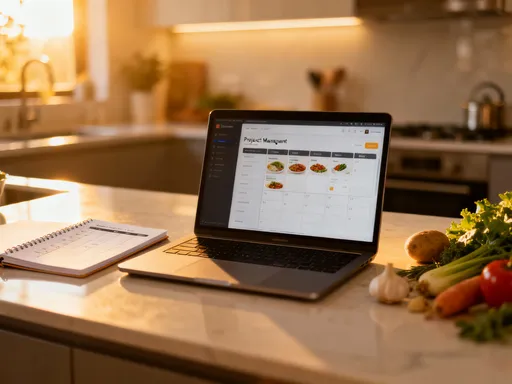
When I know what’s coming, cooking stops feeling like a crisis and starts feeling like creativity. No more opening the fridge at 6 p.m. and staring into the void, wondering how to turn half a bell pepper and a can of beans into dinner. Now, I get a preview of my produce box. I see the rainbow carrots, the bunch of cilantro, the ripe avocados—and my mind starts spinning. “We could do tacos!” I’ll say. Or, “What if we try that Thai curry recipe I saved?”
My daughter loves it too. She’ll ask, “What’s coming this week?” like it’s a surprise. Last week, when she saw sugar snap peas on the delivery list, she said, “Can we eat them like popcorn?” We did—tossed in olive oil and sea salt, roasted until crisp. They were gone in minutes. I realized something: when food feels fresh and exciting, the kids are more willing to try it. No pressure, no battles. Just curiosity.
And the waste? It’s dropped dramatically. Before, I’d buy a bunch of basil for one recipe, then forget it until it turned black. Now, I get just enough—what I need, when I need it. The portions are smart. The packaging keeps things fresh longer. I’ve started composting the scraps, and my garden is thriving. It’s a small loop, but it feels meaningful: food in, nourishment out, soil renewed. I’m not a perfect eco-warrior, but I’m moving in the right direction—without having to overhaul my life.
Building a Calmer, More Predictable Week
What started as a grocery shortcut became something deeper: stability. Knowing that fresh food arrives every Tuesday means I don’t have to worry about surprise shortages or last-minute store runs. It’s a small anchor in a week that often feels unmoored. And because my husband and I share the account, we’re on the same page. He can add items—his favorite apples, the onions he uses for fajitas—and I can remove things the kids won’t eat. It’s teamwork, streamlined.
There’s also something comforting about the routine. The box arrives, I unpack it like a ritual, I plan meals around it. It’s not rigid—it bends when we eat out or have leftovers—but it gives structure. And structure, I’ve learned, is a form of self-care. It means fewer decisions, less anxiety, more room to just be. I’m not constantly reacting. I’m planning. I’m choosing.
Even the kids have picked up on it. “Is it produce day?” my son asks every Tuesday. He helps me unpack, snacking on cherry tomatoes as we go. It’s become a family moment, not a chore. And when unexpected things happen—a late meeting, a sick day, a forgotten permission slip—the fact that dinner is covered makes everything else feel more manageable. It’s not that life gets easier. It’s that I feel more capable of handling it.
More Than Convenience: A Step Toward Intentional Living
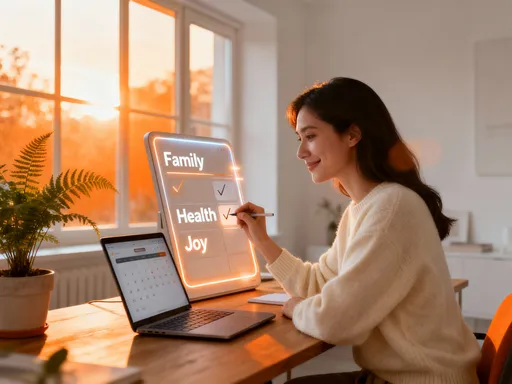
This isn’t just about skipping the supermarket. It’s about choosing how you want to live. When I started using the delivery service, I thought I was buying convenience. But what I really bought was space—space to breathe, to cook, to connect, to be the mom and wife and woman I want to be. Technology didn’t replace my values. It supported them. It helped me live more aligned with what matters: health, family, calm, and a little joy in the everyday.
I used to think “intentional living” meant grand gestures—meditation retreats, zero waste, homemade everything. But now I see it differently. It’s in the small choices: saying no to exhaustion, yes to fresh food, yes to more moments with my kids. It’s in trusting a simple app to handle the basics so I can focus on what only I can do—love my family, nurture my home, and take care of myself.
So if you’re tired—truly tired—of the grocery grind, I want to tell you this: it’s okay to ask for help. It’s okay to use tools that make life smoother. You don’t have to do it all the hard way to prove you’re trying. Sometimes, the most powerful act of self-care is simply choosing a system that lets you show up, fully, for the life you’ve built. That brown box at your door isn’t just produce. It’s permission—to rest, to enjoy, to live with a little more ease. And honestly? You deserve that.